

I get this question all the time: "Can I just stick the new trampoline on the sloped part of the yard?" Usually it's from someone who's just unboxed a 14-footer and realized the only flat spot is already taken by a shed.
Short answer: please don't.
What actually happens when a trampoline sits on a slope
A trampoline is calibrated around one thing - equal tension. On level ground, every spring pulls its fair share. Tilt the whole setup, and the downhill springs immediately take on more load than the uphill ones. That imbalance isn't subtle over time. The overworked springs stretch past their design limit, fatigue faster, and eventually snap. I've seen springs give out in under a season on a slope that didn't even look that steep.
The bounce turns unpredictable too. Instead of sending you straight up, the mat effectively launches you slightly sideways, toward the low end. You end up fighting your own jump to stay centered, which is exhausting and, frankly, unnerving. If you've got kids trading turns, one of them will drift into the frame or the safety net before long.
Why I won't sell you a trampoline for a sloped yard (without a plan)
Some people think a few pavers under the low-side legs will level things out. It rarely works well. The frame isn't designed to have point loads on one side while the other side floats. Over a few months, you'll see warping at the joints, and eventually the whole thing will creak and twist in ways that make you nervous. I've walked away from sales rather than pretend a sloped install was fine - because a year later, the customer is back with a bent frame and a voided warranty, and neither of us is happy.
Every manual I've read says the same thing: flat, level surface. Ignore that, and the warranty may as well be a napkin.
A couple of workable options
If the yard isn't cooperating, you've got a few paths:
Level the ground. Grab a shovel, a rake, and a long level. Cut into the high side and build up the low side. It's a weekend of sweat, but you'll end up with a setup that actually feels good to jump on and won't eat through springs.
Look into adjustable-leg trampolines. A handful of manufacturers now make frames with legs you can fine-tune for mild gradients. They're pricier, no question, but cheaper than replacing a wrecked trampoline or dealing with an injury.
Skip the backyard entirely. A place like Trampoline Park Adrenaline is built from the ground up for this - dead-flat floors, commercial-grade padding, staff who pay attention. If you just want the occasional bounce without the maintenance headache, it's worth the admission.
The setup that actually lasts
Beyond the slope issue, a little care during assembly goes a long way. Pick a spot clear of branches, fences, and overhead wires. Go through the instructions in order - there's a reason they tell you to leave certain bolts loose until the frame is squared up. Once it's together, give the springs and mat a quick look every month. Rust on a spring or a frayed stitch on the mat isn't something to put off.

What we sell, and how we sell it
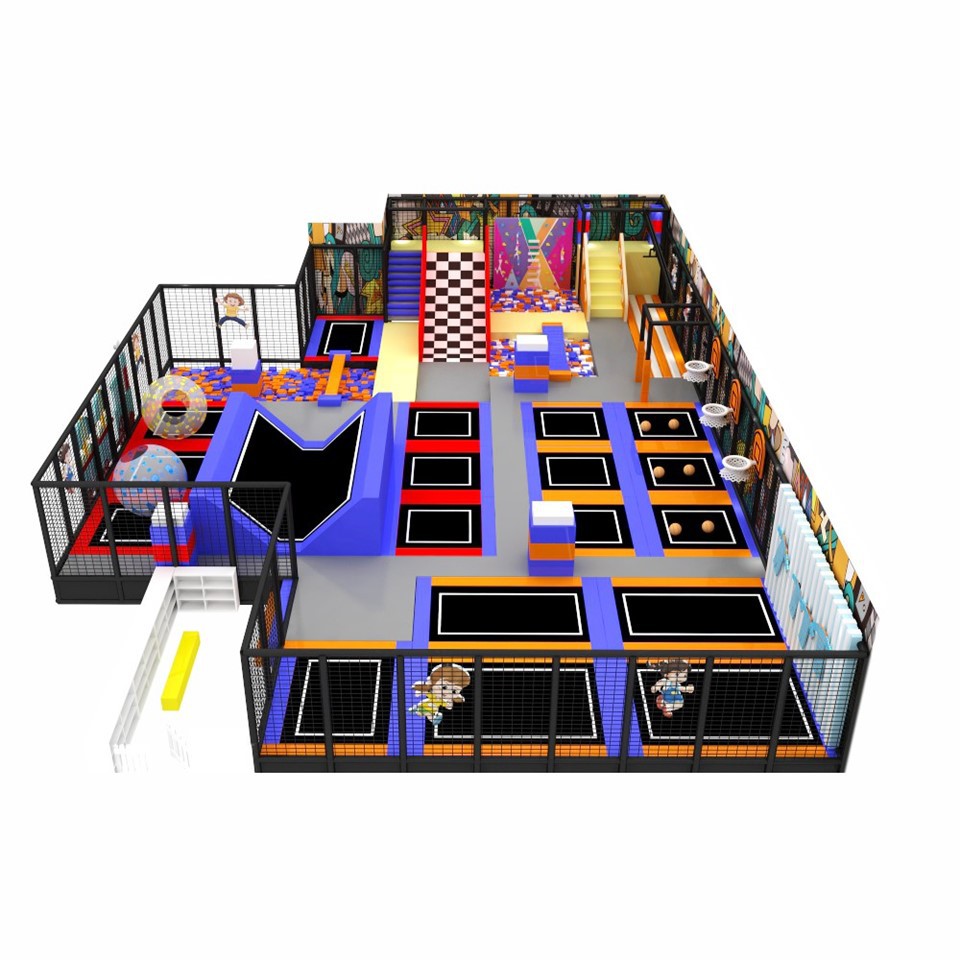
Our trampolines range from compact backyard models to the kind of gear that goes into new jump parks. All of them come with assembly guides that assume you'll do the sensible thing and find level ground. If you're not sure about your site, send me a photo - I'd rather spend ten minutes talking through it with you than ship a replacement part later.
If you're ready to buy, or just have questions, reach out. I'll give you the same advice I'd give a neighbour: no slope, no shortcuts, and plenty of room. The fun part takes care of itself after that.