

Do Jump Trampoline Parks Have a Ventilation System?
I get this question less than I should. Most people don't think about air until they're standing in a trampoline park on a humid Saturday and wondering why it smells like a locker room crossed with a sock factory. So yes, the good parks have ventilation systems. The bad ones just hope nobody notices. I've been inside both.
Why Ventilation Actually Matters
Kids jumping for an hour generate a surprising amount of moisture and CO₂. Add in parents standing around, and the air gets thick fast. I've walked into parks without proper airflow and immediately felt like I was breathing soup. It's not just unpleasant-stagnant air traps germs, accelerates mold on foam padding, and makes the whole place feel unprofessional.
One park I supplied early on skipped ventilation to save costs. Six months in, they had black mold creeping up the wall behind a foam pit. That cleanup cost more than the system they didn't install. Lesson learned at their expense.
Do Parks Actually Have These Systems?
Most well-operated parks do, but I won't pretend it's universal. I've seen operators treat ventilation as optional because customers don't ask about it before booking a birthday party. They'll complain later though-just not directly. They'll just not come back.
The difference between a park with good airflow and one without isn't subtle. You notice it within thirty seconds of walking in. Fresh air matters especially when you're physically exerting yourself. It also affects staff morale. I've watched employees get lethargic and irritable in poorly ventilated parks, and I can't blame them.
Types of Ventilation Systems
There are two basic approaches. Mechanical systems use fans and ducts-ceiling-mounted units pulling in outside air and exhausting the stale stuff. This is what I recommend for any indoor park of reasonable size. It's controllable and consistent.
Natural ventilation is the other option: windows, vents, openings in the building. It can work if the climate cooperates and the park isn't buried in a mall interior with no exterior walls. I've seen a park in a converted warehouse do well with big bay doors they opened during operating hours. I've also seen a park try natural ventilation in a humid coastal city and end up with perpetually damp carpeting. Location dictates whether this is viable.
A Story from My Own Experience
A few years back, I worked with a park that had grown faster than its infrastructure. They were operating in a retail space with zero dedicated ventilation-just whatever the building's central system provided, which wasn't much. Staff complained of headaches. Customers left reviews mentioning the "stuffy" atmosphere. Attendance dipped.
We retrofitted a mechanical ventilation system. It wasn't cheap, and installation disrupted their schedule for about a week. But afterward, the difference was night and day. The air stayed fresh even during peak hours. Complaints stopped. Their regulars noticed and mentioned it in reviews-"feels cleaner now" kind of comments. Business picked back up. Was it solely because of the airflow? Hard to say, but it certainly didn't hurt.
A Quick Note on Our Products
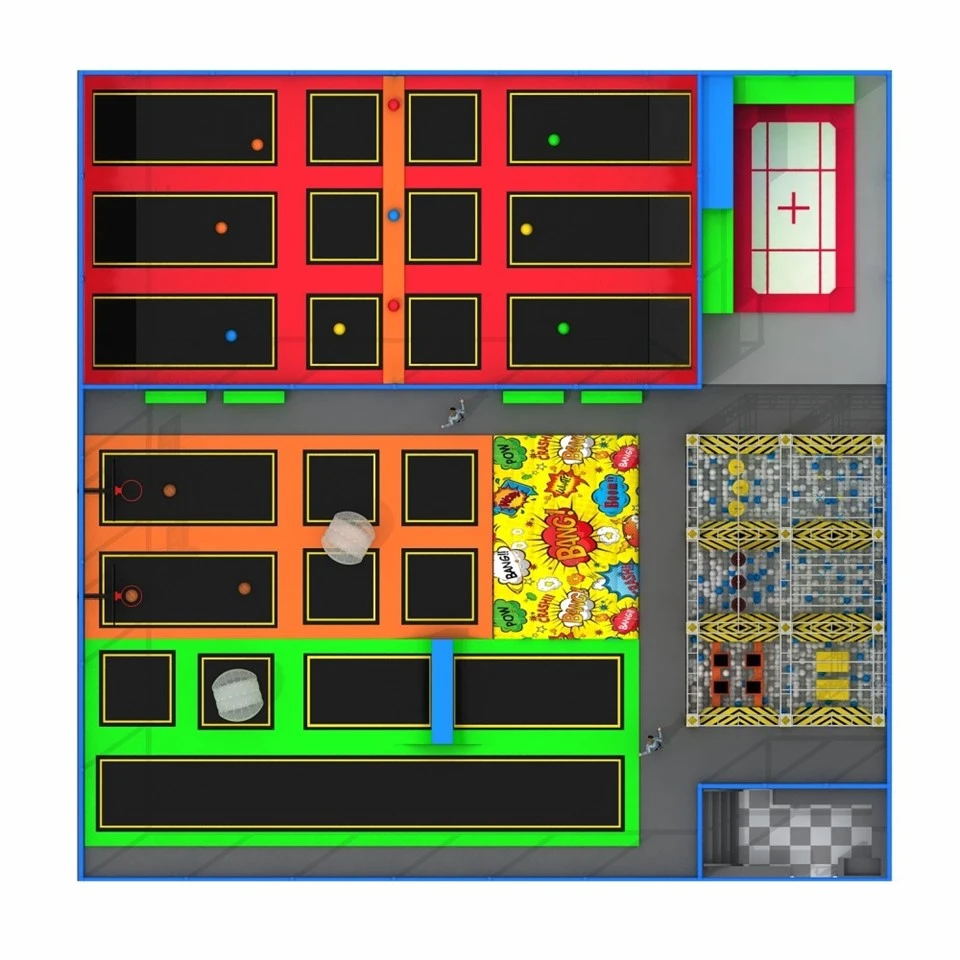
I supply High Quality Trampoline Park equipment, and I also offer a Cool Indoor Trampoline Park design option with integrated ventilation considerations from the start. There's a Famous Trampoline Park setup I've done that includes air circulation factored into the layout. If you're in the market, I can walk you through what works for your space.

What to Consider When Choosing a System
Park size comes first. A small venue might get by with a simpler setup; a large one needs more horsepower to cycle air effectively. Crowd size matters too. A park that hosts 80 jumpers simultaneously is a different beast from one that sees 20 at a time.
Cost is the uncomfortable part. Good ventilation isn't cheap upfront, but neither is mold remediation or losing customers to the park down the road with better air. I tell operators to think of it as part of the initial build budget, not an optional add-on. Retrofitting costs more.
Maintenance gets overlooked constantly. Filters clog. Fans need checking. Ducts accumulate dust. I've seen a perfectly good system become useless because nobody changed the filters for a year. If you install a system, schedule the maintenance-don't wing it.
Summing It Up
Yes, jump trampoline parks need ventilation. It's one of those invisible features that quietly determines whether customers enjoy themselves and whether your equipment survives past its first few years. If you're planning a park or upgrading, let's talk. I'll give you honest advice about what's worked in similar spaces.